Our First Brown Bag Lunch of 2017-2018

Thanks to all the families who were able to make it to our first Brown Bag Lunch. The kids seemed to have a great time and I know they were thrilled to have something special to eat.

Linked here is the PowerPoint we used. Your willingness to learn more about Word Study and how it can advance your child’s learning is greatly appreciated.

Our Pro Se Court on Zoos

We finished our fifth week of instruction with a Pro Se Court. After spending the week reading through four different articles on the value of zoos, students were divided into three groups: petitioners, respondents, and justices. The petitioners had to argue that zoos needed to be closed, respondents had to explain the value of zoos, and justices had to weigh the evidence and the strength of the arguments. In turn, the justices had to rule in favor of either the petitioner or the respondent.

There were eight groups and the justices were split 4 to 4 on closing zoos.

Structured Academic Controversy: Lunches

On Friday students completed a Structured Academic Controversy. It is a strategy that has students collecting evidence from multiple sources and using that evidence to create and support a claim. In this case students learned about how some school systems are banning lunches from home and requiring all students to eat school meals.

What is important about this strategy is that students did not learn until moments before the debate which side they would have to defend. Consequently, the preparation for the day had students attending to both sides of the issue.

Last Auction for this Cohort of Students

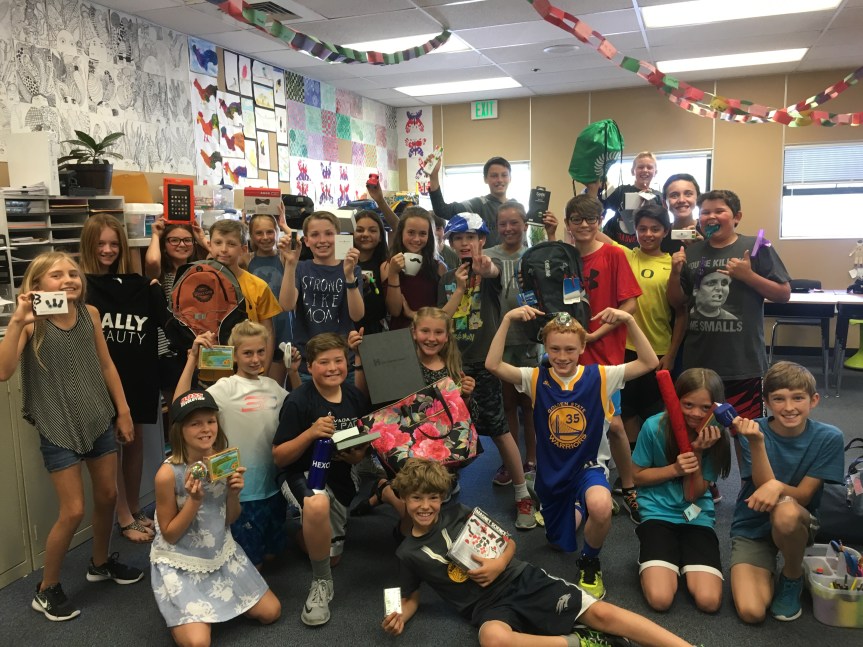
Students got to finally spend down all of their earnings with our last auction of the school year. Thanks to dozens of donations from local, national and multinational companies, students had plenty to bid on. Moreover, students who demonstrated a willingness to save money over the year were awarded with items like a Camelbak backpack, a Kindle Fire, and Virtual Reality Goggles.

IMG_8142

Our First Week Working With Shakespeare

We finished our first week working with Shakespeare’s A Midsummer Night’s Dream. Our initial discussions focused on understanding the historical context in which Shakespeare worked and who Shakespeare was. We unpacked the language of Shakespeare and practiced reading key pieces of dialogue with a focus on iambic pentameter.

This initial work has allowed us to read through the first two scenes in Act I. The students have been doggedly persistent and things have gone as well as we could have hoped.

IMG_7677


Our Pro Se Court

Today we did our first Pro Se Court. This was the culmination of reading through four different sources on zoos and identifying evidence to support claims about the value of zoos. All of the source material (here) is written at the 7th grade level and this required students to navigate complex text and work with challenging vocabulary.

The term pro se is Latin and means “for oneself” or “on one’s own behalf.” Students became defendants, prosecutors, or justices before creating triads to allow for rich discussions.

Ultimately the justices ruled 6 to 3 in favor of the defendants; that is, zoos were causing greater harm than good.

Using the Discussion Strategy, Fishbowl

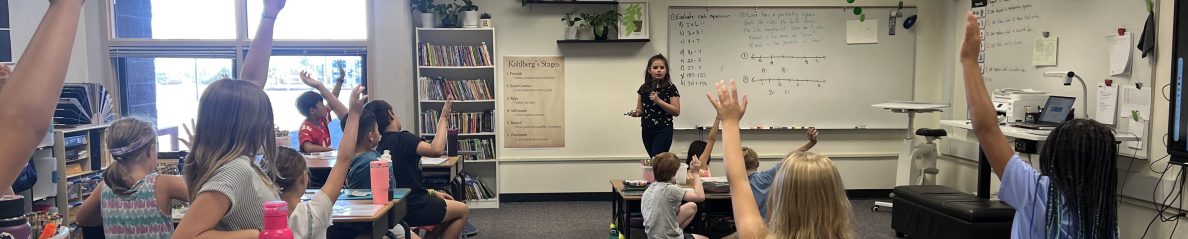
Today we used the discussion strategy “Fishbowl” to debate whether using bottled water was more positive or negative. The students read two articles (here) and annotated the pieces looking for evidence to support one position or the other. Then they discussed both articles free of any valued added statements; instead, attention was pointed to finding evidence.

The students positioned themselves around a fishbowl with four students in the middle. Students would share a point, debate the point, and if they couldn’t find evidence or didn’t have a good argument, they would tap someone from outside the fishbowl to take over for them.

The annotating, discussion and debate will help us with our writing in which students have to support a super claim.

IMG_7308

NevadaTeach Leads Room360 through an Engineering Experience

Led by NevadaTeach students from the University of Nevada Reno, Room360 explored the differences of building structures in topsoil, sand, and rock. The NevadaTeach students used a lesson from Engineering is Elementary to guide the students through the scientific process and to allow access to the engineering standards within the Nevada Academic Content Standards and the Next Generation Science Standards.


Blending Google Forms with Fraction Work

Today we took an assessment covering multiplication and division of fractions and decimals. I changed things up a bit, however, by having students record their answers in Google Forms. This allows for instant feedback like you see below for me and a way for parents to keep current on student performance. In short, I’ll likely be doing this again.

screen-shot-2017-02-23-at-5-44-54-pm

Zooming In

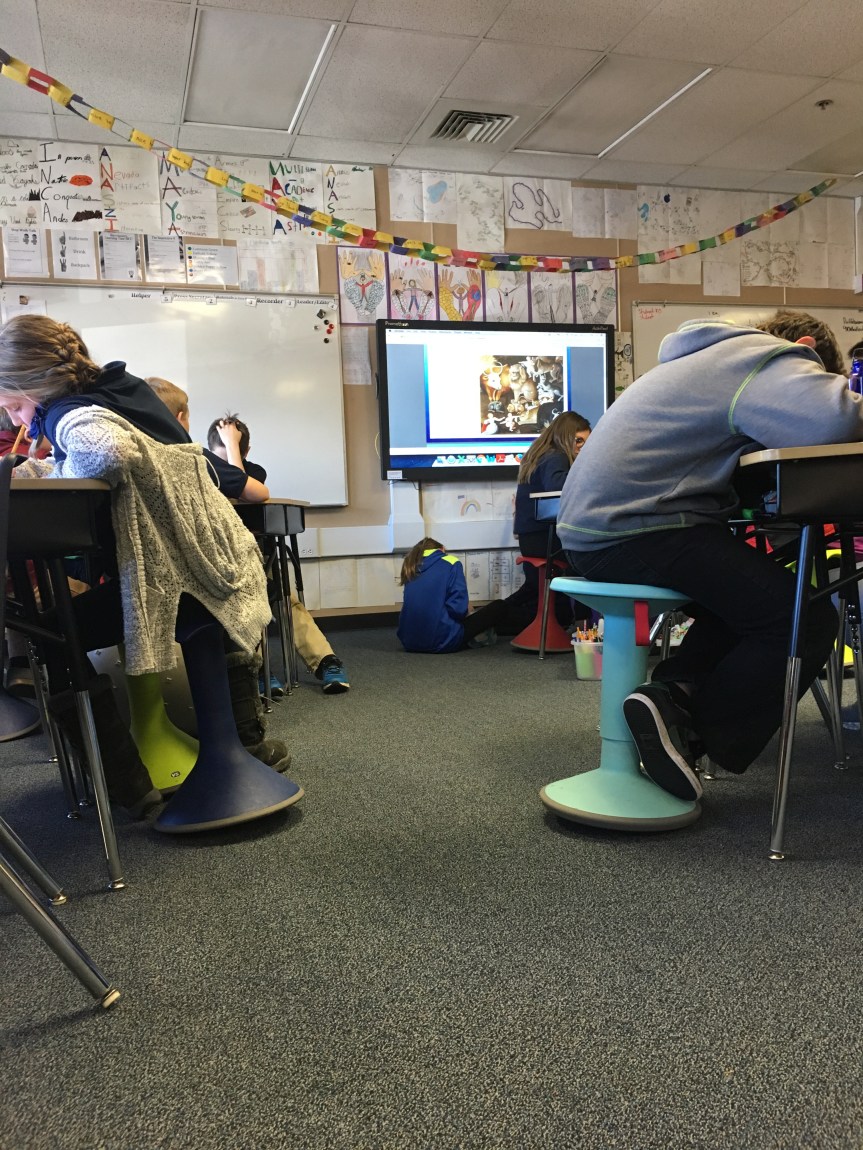
Today we completed a Zoom In. In this case we took a careful look at Edward Hicks’ Peaceable Kingdom. This is an instructional strategy first introduced to me by Angela Orr which she describes as follows:

The Zoom-In Strategy is an excellent way for you to have students participate in document analysis in a new way. Zoom-In’s are images that have been manipulated so the students only see a portion of the image, rather than the whole thing at one time. Students often struggle to identify the nuances in art, details in a photograph, or historical significance of terms or images chosen by an author/artist/photographer/illustrator. Zoom-In’s highlight these nuances and with the use of guiding questions enable students to analyze primary sources in a new way.

The strategy is important insofar as reinforcing the the habit of making claims supported by reasoning and evidence.

img_6513